
Death is not something we like to think about at Christmas. I mean, Christmas is a time of celebration! We don’t want to celebrate death. In more liturgical settings, death might fit with the concept of Advent, but as Baptists, even if we mark the weeks of Advent, we would rather avoid the more mournful side of the anticipatory days. We prefer the joy. The worship. The royalty and majesty. Even so, death was the focus this week as we arrived at week four of Advent (you can watch the sermon here).
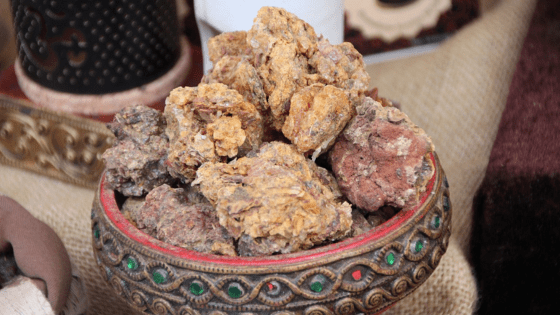
I’m one of those who prefers the joy. I like happy things. Mourning is hard. It hurts, and I’d rather avoid it. And yet, the more I ponder this week’s sermon and think about the myrrh offered up by the Magi, the more I realize how truly appropriate it is to contemplate, and yes perhaps even celebrate, death at Christmas.
Bear with me on this for a minute.
How many people do you know how are aching and grieving right now? I’m sure you can think of at least one person. But, if you’re anything like me, the faces and names running through your mind are probably more numerous than you’d care to admit. And, if you’re anything like me, you can probably recognize that death is present in every single aspect of that grief.
For some, it’s physical death. I ache with several dear and precious friends who are experiencing their first Christmas without loved ones. And they are not alone. We passed two funerals on a recent trip, and this morning I heard of two beloved mothers who lost their battle to disease in recent days.
For some, it’s the death of a relationship as marriages are crushed or friendships fall apart or children and parents suffer a rift between them. Others have had a life change of some sort that has resulted in the death of familiarity or normalcy. Illness, job loss, and other losses all communicate death.
As we focus on the life of Christmas, where do these dear, aching souls belong? How do they find a place in the celebration?
Right alongside the myrrh.
Jesus came to die. The manger is incomplete without the cross. And because we know the full story, we get to celebrate the truth of the cross alongside the beauty of a baby’s birth. And yes, it is something to celebrate.
Yet when we think of celebration, we often go straight from the manger to the empty tomb. Birth and resurrection. The happy things. We recognize that there is death between the two, but we want to think of that separately — hold it for Good Friday. In this case, though, that’s not really possible because the manger and the empty tomb are not complete without the cross. We have to include the reality of this death in our celebration. Fortunately, though, this is no ordinary death. This is a death that conquered death.
Even so, we still live in this world awaiting a final victory that will let us be fully and totally free of the impact of death. We still suffer the pain of death. But we can do so in a way that makes a place for mourning even during a time when we’d rather focus on celebration.
We can make space for those who mourn this Christmas by not ignoring the myrrh. By not overlooking the cross. By not pretending that everything is glorious and perfect, but by instead recognizing that we are still waiting. We’re waiting for perfection. For fulfillment. For death to finally be gone.
And we can wait with one another.
I don’t like to grieve. I don’t like to mourn. I want everything to be happy and peaceful and joyful. But, if acknowledging the reality of death this Christmas means that someone else has a place in the “celebration,” then I pray the Spirit will give me the wisdom to know how to do just that. That He will teach me how to treasure the gift of myrrh as greatly as I treasure the gold and frankincense. And that someone else will be drawn closer to Him and His love and His truth this year because of it.
Yes, at Christmas we can celebrate even death. Because it is the celebration of a death that conquered death once and for all. That is truly something worth celebrating.

 Not Quite Ordinary