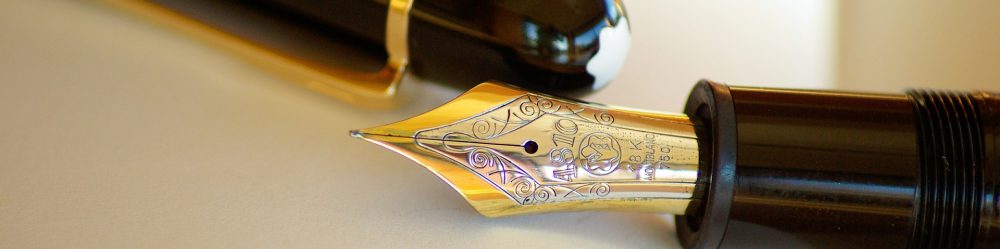

We are in the second week of Advent, and our theme at church on Sunday was gold, representing the kingship of Jesus.
We love to focus on Baby Jesus at Christmas. On His vulnerability and all that He surrendered to take on our flesh and walk among us. And we need to remember all that He surrendered. All that He sacrificed. All that He willingly released to humble Himself and come to us. Philippians 2 reminds us of the reason why we need to remember Jesus and His humble entrance into our world: we are to live with the same humility that He showed.
But, in focusing on Him as Baby, we sometimes make the mistake of thinking that He came the first time as just a Baby, and that His presence as King will be for next time.
The presence of the Magi in Matthew 2 tells a different story. They brought Him gold and welcomed Him as the born King of the Jews. He’s always been King, from before creation. His birth and time on earth didn’t change that. Baby Jesus was still King.
That was the thrust of Sunday’s sermon (which you can find here). It was nothing new to me. Yet it seems that I have to frequently revisit my own response to this truth. And what I’ve seen of my heart this week has been rather convicting.
As a society, what is our response to “important” people? Whether it’s a ruler or a celebrity, what is our collective dream? Is it not to be seen by them? We get all excited when we get to meet a famous person or when we find out stories about how good or kind they were in a specific situation. We love to see what they give to us.
When it comes to Jesus, He gave everything. He surrendered His glory and entered our pain-filled world so He could walk with us. It is good and right to see what He’s done for us. But, how often do we let that be our primary focus? How He sees us? What He can do for us?
I’ve been struck by several Messianic passages I’ve read lately that discus what it looks like to welcome a King. It’s not just about what He chose to do for us. It’s about how we choose to receive Him.
Psalm 24 reveals the extreme challenge it is for a person to ascend the hill of the Lord. Who among us truly has clean hands, pure hearts, and the sincerity reflected here? None of us, without the righteousness of Jesus! But then, there’s the second half of the song, the half that shows the King coming to us. Remedying the situation by coming to those who seek Him but can’t get to Him on their own.
There’s only one catch: the city has to prepare itself for the coming of the King. The gates have to be lifted to make room! They must be flung open! Work has to be done to welcome in the King of glory!
We see it in Isaiah 40 as well, when the prophet speaks of preparing the way of the Lord by lifting the valleys and leveling the mountains, building a straight highway for the King.
Obviously, none of this is about making the earth a perfect place before Jesus arrives as King. It definitely didn’t happen before His birth! The world was a mess then, and it continues to be a mess now.
But, as I read these passages, I am convicted about the way I approach Him. The way I welcome Him. Yes, I need to celebrate and rejoice in what He has done for me. For us. For this whole world full of people He intimately loves! But, oh how I need to also acknowledge that He is King and I am His subject! I need my focus to be on what it looks like to welcome His presence. After all, He said He would be with us always, even to the end of the age, according to Matthew 28:20. He’s here with me today.
His Kingdom is here, right now. Am I living in it well?
He is returning to claim full victory. Am I doing all I can to prepare for that day?
May I learn to lay my gold before the Lord, day after day after day, focusing my attention and my work on daily recognizing Him as King and choosing to live my life as His beloved subject.

 Not Quite Ordinary